
Product focus 09/29/2025
Interior hinged doors: a guide to choosing the right one
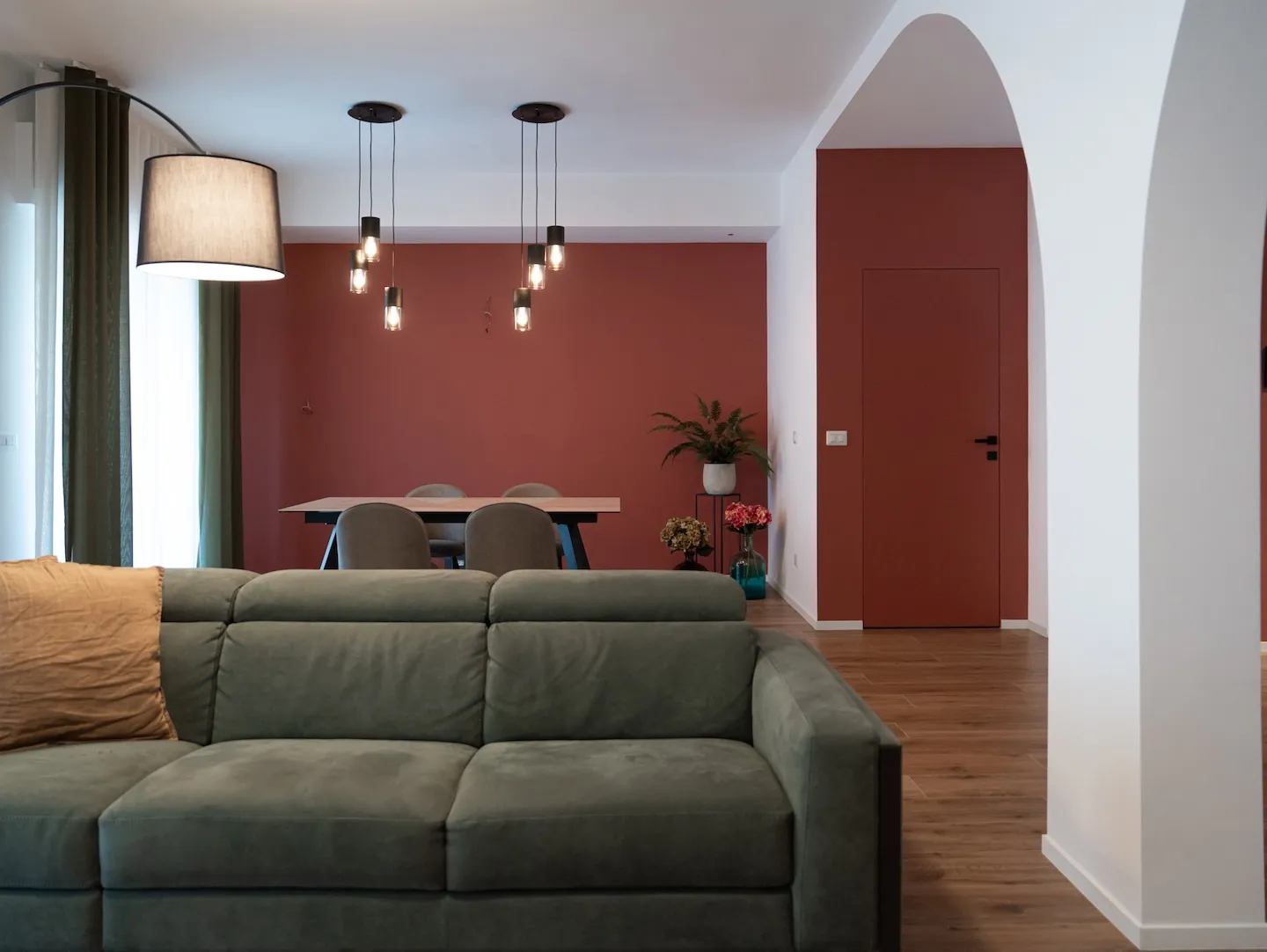
In interior architecture, every detail contributes to defining the atmosphere and character of a home. Among the elements often considered purely functional but actually possessing immense aesthetic potential, doors play a leading role. The hinged door, in particular, represents the most classic and widespread solution, a true symbol of welcome and privacy. However, choosing the ideal option among the endless possibilities offered by the contemporary market requires attention and sensitivity. For a comprehensive overview of the characteristics of this type, it can be helpful to delve into the advantages and disadvantages of interior swing doors before making a purchase.
This guide is designed to accompany you in discovering interior hinged doors, exploring materials, finishes, and technical details. The goal is to transform a practical necessity into a conscious style choice, capable of elevating your home's design and perfectly harmonizing with your vision of living.
The evolution of the hinged door: beyond tradition
When we think of hinged doors for the home, the image that often comes to mind is that of the traditional wooden frame with visible moldings and trims. While this type retains its charm, modern design has pushed the boundaries much further, transforming the door into a sophisticated architectural element.
Today, choosing a hinged door means navigating a range of options that span from absolute minimalism to decorative richness. The fundamental distinction lies in the relationship between the door panel and the wall. On one hand, there are traditional solutions where the frame outlines the passage; on the other, modern flush hinged doors emerge, free of external trims, blending seamlessly with the wall to create continuous and impeccable surfaces. To explore the peculiarities of these two options, we invite you to read our comparison on flush vs. traditional swing doors: differences and tips. This evolution allows for a fluid interpretation of space, eliminating visual interruptions and giving rooms a contemporary and refined feel.
Materials and finishes: the essence of dreams
The material is the soul of the door. It defines its durability, texture, and, above all, its aesthetic impact. Selecting the right material is the first step to ensuring that your interior hinged doors are not only visually appealing but also pleasant to experience daily.
- The Timeless Warmth of Wood: wood remains the top choice for those seeking warmth and naturalness. Premium woods like oak, walnut, or ash, with their unique grain patterns, tell stories of authenticity. A solid wood or veneered door adds value and substance to the space, integrating beautifully into both classic settings and modern spaces where a material contrast is desired.
- The Versatile Elegance of Lacquered Finishes: for those who prefer smooth surfaces and defined colors, lacquered finishes are the ideal solution. Available in matte, glossy, or satin versions, lacquered doors allow for total color customization. White lacquer is a classic that brings brightness and lightness, while bolder or darker tones can transform the door into a striking and sophisticated design element.
- The Dramatic Transparency of Glass: swing doors with glass inserts or fully glazed panels are perfect for those who want to maximize light and create visual continuity between spaces. Glass, processed with modern techniques to ensure safety, can be transparent, frosted, smoked, or decorated, offering endless possibilities to play with light and shadows.
For a specific guide on how to match these options to different trends, check out our in-depth article on choosing modern hinged doors according to interior design styles.
Details that make the difference: handles and hinges
True elegance lies in the details. Once the panel and finish are chosen, it’s essential to pay attention to the hardware, which is not only functional but also significantly contributes to the overall aesthetic.
Hinges, for example, have undergone significant evolution. In high-end interior swing doors, concealed hinges are now preferred. These invisible mechanisms allow the door to appear clean and essential when closed, enhancing the purity of its lines.
The handle is the point of contact, the element that invites you to open the door. Its selection should align with the style of the door and the decor. For a minimalist look, consider sleek handles, perhaps integrated or with reduced rosettes. In more classic or decorative settings, an ornate handle or one in precious finishes like brass or bronze can become a true jewel that enhances the door.
Functionality and dimensions: designing the space
Beyond aesthetics, the choice of swing doors for the home must meet specific functional needs. Standard dimensions (usually 80x210 cm) cover most requirements, but true luxury often lies in custom-made solutions. Find all the technical specifications in our guide on standard dimensions for hinged doors: everything you need to know.
Full-height doors, extending from floor to ceiling without a top crossbar, are a highly impactful solution. They vertically elongate the space and provide a sense of grandeur and architectural openness.
It’s also important to consider the opening direction (right or left, push or pull) in relation to furniture placement and traffic flow. Thoughtful planning prevents awkward obstructions and ensures that every movement within the home is smooth and natural.
A balance between aesthetics and practicality
Choosing interior swing doors is not just a purchase but an investment in the quality of your living space. It’s about finding the perfect balance between beauty that inspires and functionality that simplifies life. Whether you opt for the discretion of a flush-to-wall door or the sculptural presence of a crafted wooden model, remember that you are defining the thresholds of your private world.
Take the time to evaluate materials, finishes, and technical details. Let yourself be inspired by the possibilities offered by contemporary design and seek solutions that reflect your personality. Because a door is not just for closing a room but for opening new perspectives of style and comfort in your home.
FAQ
What are the main advantages of flush hinged doors compared to traditional ones?
Flush hinged doors offer a minimalist and modern design, eliminating external trims and creating seamless surfaces that blend perfectly with the wall. They are ideal for those seeking a clean and contemporary aesthetic. Traditional doors, on the other hand, retain a classic charm with decorative frames outlining the passage.
What is the best material for an interior hinged door?
The choice of material depends on personal style and needs. Wood is perfect for those seeking warmth and naturalness, while lacquered finishes offer color versatility and a modern look. Glass, on the other hand, is ideal for maximizing light and creating visual continuity between spaces.
How do I choose the right handle for a hinged door?
The handle should align with the style of the door and the decor. For a minimalist look, sleek or integrated handles are recommended. In classic settings, a decorative handle in brass or bronze can add a touch of elegance.