
Technical insights 10/23/2025
Sliding door hardware: everything you need to know about accessories
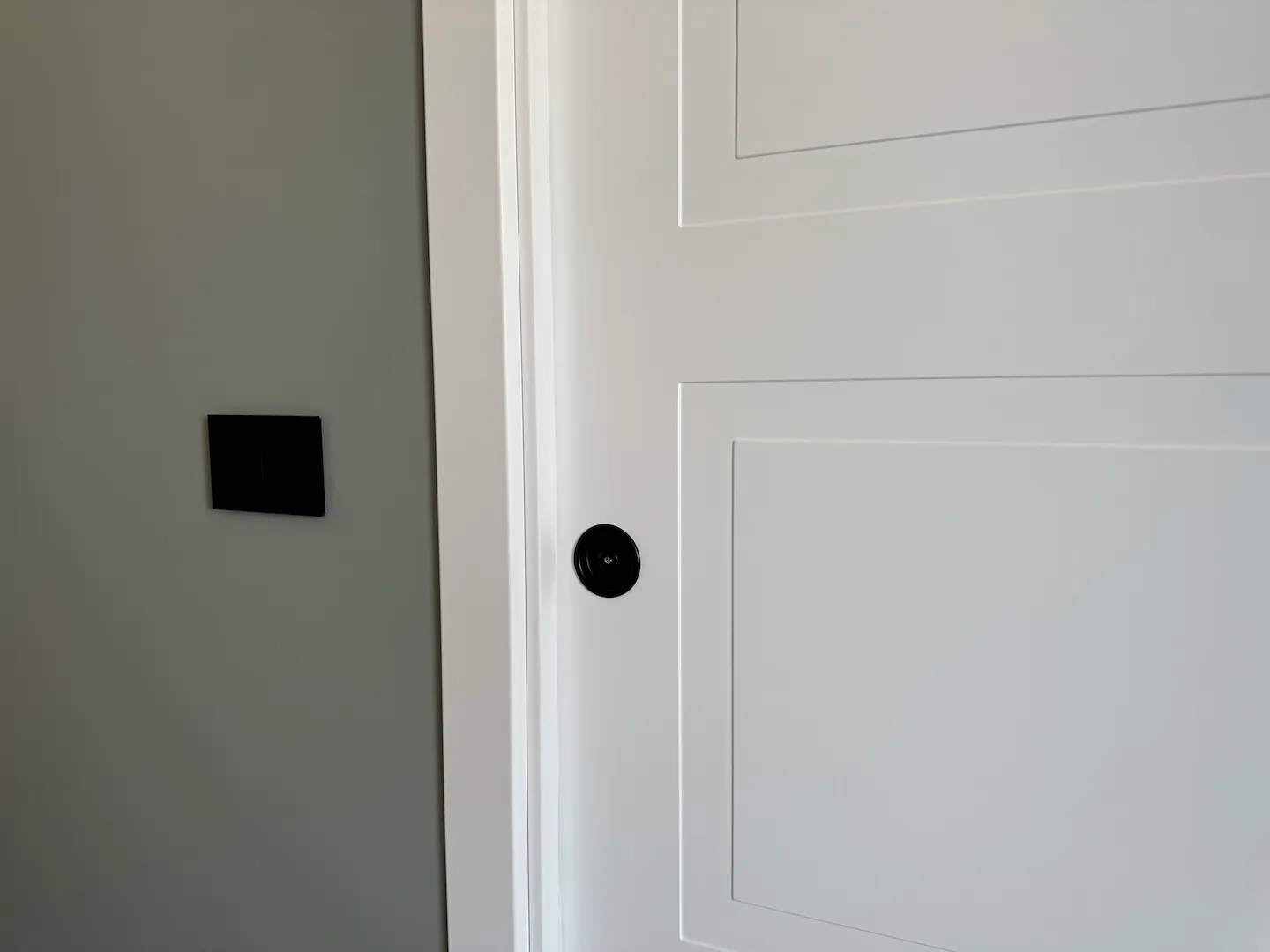
You’ve decided to install a sliding door to save space and add a touch of elegance to your interiors. However, people often focus solely on the aesthetics of the door panel, forgetting the true engine of the mechanism: the hidden accessories inside. What allows a door to glide smoothly, silently, and without issues? The answer lies in the quality of the sliding door hardware.
In this comprehensive guide, we’ll delve into what sliding door accessories are and which elements ensure your door functions perfectly. If you’re tackling the installation, you might find it helpful to explore tips for an easy sliding door setup. You’ll discover the main components, their specific roles, and practical advice on choosing the best products for your needs while avoiding common mistakes.
What is sliding door hardware?
When we talk about sliding door hardware, we’re referring to the set of mechanical parts, supports, and tracks that enable the door to move. These elements are often invisible or partially hidden but play a crucial role. Without proper sliding systems, even the most beautiful door in the world will be difficult to open, noisy, or prone to constant jamming.
A quality system distributes the door’s weight evenly, reduces friction, and prevents wear over time. Understanding these components will help you better evaluate the options available on the market and make informed choices when purchasing or renovating your home.
Key components for sliding doors
Every door requires a specific kit of accessories to function properly. Let’s take a look at the essential parts that make up the mechanical structure.
Tracks: the track is the path along which the door travels. Typically made of extruded aluminum or durable metal alloys, it is anchored to the top of the door frame (or ceiling) and supports the entire weight of the door. A high-quality track must be perfectly straight and resistant to bending. Some systems also include a floor guide, which helps keep the door aligned and prevents it from swinging.
Sliding Carriages: the carriages (or sliding wheels) are the heart of the hardware. The best ones use ball bearings coated in technical plastic materials like nylon or Teflon, ensuring smooth and silent movement. The number and size of the carriages vary depending on the door’s weight: a solid glass door will require much sturdier carriages than a lightweight hollow-core wooden door.
Dampers: dampers, or "soft-close" systems, slow the door down in the final few centimeters of its movement, gently guiding it to a close. In addition to preventing damage to the structure from violent impacts, they enhance home safety by protecting fingers from accidental pinching.
Handles and Locks: for pocket doors, recessed handles are used, integrating seamlessly into the door’s thickness and allowing it to slide fully into the wall without obstructions. Options range from simple recessed handles to versions with thumb turns for bathrooms and hook locks specifically designed for sliding systems.
How to choose the perfect sliding door accessories
Choosing the right components makes the difference between a door that works perfectly for decades and one that requires constant maintenance. Here are the main factors to consider:
- Evaluate the door’s weight and dimensions: it’s essential to accurately calculate the door’s weight and choose a kit with a capacity slightly higher than the actual weight to avoid premature wear on the carriages.
- Consider the door material: a wooden door and a tempered glass door require different mounting systems, such as special clamps for glass that don’t require drilling.
- Opt for quality products: skimping on hardware is a common mistake. Replacing a defective track inside a pocket frame requires invasive wall work; investing in reliable brands ensures durable materials and tested resistance.
- Assess the environment: in humid spaces like bathrooms, it’s better to choose anodized aluminum tracks and corrosion-resistant hardware.
Maintenance tips for sliding systems
Minimal maintenance will preserve their performance. Keep the upper track clean by regularly removing dust and debris with a vacuum cleaner. Avoid lubricating the tracks with heavy oils or greases, which could create an abrasive paste harmful to the wheels; high-quality bearings are generally self-lubricating.
Understanding the importance of hardware puts you in the ideal position to create comfortable and aesthetically flawless spaces. For those seeking a perfect finish, especially in minimalist systems, it’s advisable to consult the guide on the best paints for flush doors.
Every single piece works together to provide you with a seamless user experience. Explore the range of frames and accessories from Ermetika to turn your project into reality with the guarantee of top-notch technical quality.
Find out more:
Sliding door guides and tracks: choosing the ideal solution
Sliding door painting and accessories: a guide to choice and installation
Find out more:
Sliding door guides and tracks: choosing the ideal solution
Sliding door painting and accessories: a guide to choice and installation