
Technical insights 10/16/2025
Easy installation of sliding doors: tips and tricks
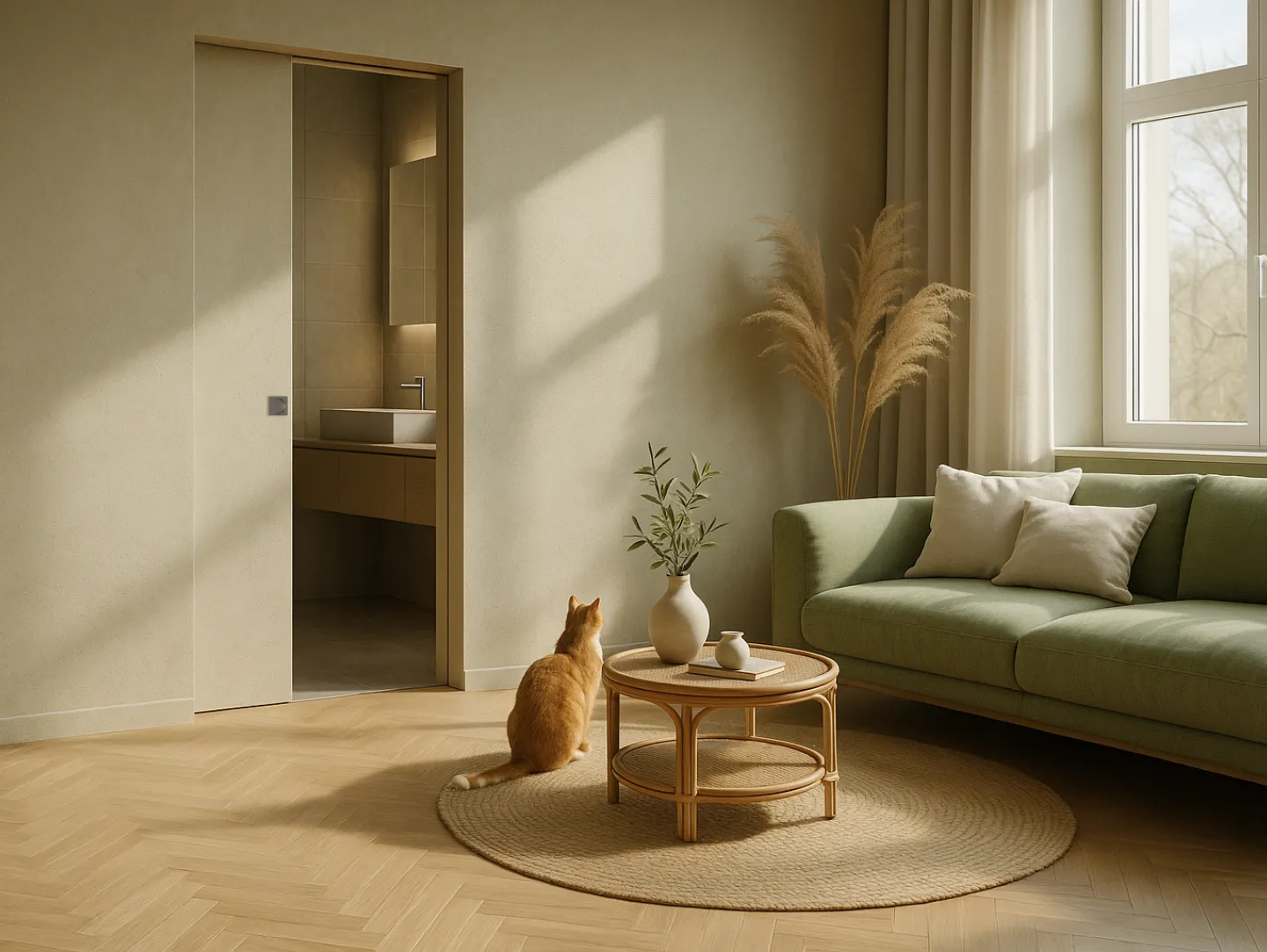
Sliding doors are an elegant solution for optimizing living spaces. They allow you to save precious centimeters, divide rooms with ease, and add a touch of modern design to your home. However, the idea of installation can sometimes intimidate those unfamiliar with DIY projects. In reality, with the right products and a few targeted tips, installing a sliding door can become a rewarding project that’s easier than expected.
This guide will provide you with tricks and suggestions for a stress-free installation, with a special focus on flush systems that ensure a flawless aesthetic result.
Choosing the right system: the foundation of a perfect installation
The first step for an easy installation is selecting a high-quality system designed to be intuitive and robust. A well-constructed frame not only simplifies the assembly process but also ensures the door’s durability and smooth sliding over time.
The most modern models, such as the Absolute Evo system by Ermetika, are specifically designed to make the installer’s job easier, whether they are a professional or a DIY enthusiast. These flush-to-wall sliding door frames eliminate the need for jambs and trim. The result is a completely smooth wall where the door seamlessly blends with the surrounding architecture, creating a visually striking sense of continuity. Choosing a product like Absolute Evo means relying on pre-assembled aluminum profiles and mechanisms that minimize the chances of errors during installation.
Tricks for a flawless installation
Once you’ve chosen the frame, it’s time to move on to the actual installation. Following a few practical tips can make the difference between a well-done job and a problematic one.
1. Preparing the opening
Ensure that the opening where you’ll install the frame is the correct size. Accurately measure the height, width, and wall thickness. A frame requires specific space to be properly housed, so always consult the technical sheet of the chosen product.
2. Leveling: the number one secret
The most critical step is leveling the frame. Even a slightly tilted installation will compromise the door’s sliding, causing friction or incomplete closures. Use a high-quality spirit level and check both the vertical and horizontal planes. The frame must be perfectly straight before being permanently fixed to the wall.
3. Secure fixing
Attach the frame to the wall structure (whether masonry or drywall) following the manufacturer’s instructions. Use the provided or recommended anchors and screws to ensure a secure hold. Weak fixing could lead to vibrations and instability over time.
4. Installing the door panel
After mounting the frame and completing the wall finishes, you can proceed to attach the door panel. The sliding carriages, usually included in the kit, must be fixed to the top of the door. Attaching the door to the track is a simple operation, but it’s advisable to have two people handle the panel for added safety.
The finishing touch: achieving an invisible result
A successful installation doesn’t end with mounting the door. Wall finishing is crucial, especially with flush systems like Absolute Evo. The goal is to make the frame completely invisible.
The choice of paint and its application play a key role. It’s important to properly treat the frame surfaces to ensure perfect paint adhesion and avoid cracks or color differences in the future. For this reason, we’ve created a specific guide to help you achieve a flawless finish.
Our article Paints for flush doors: the best choice for a perfect finish is the ideal complement to this guide. It explains in detail which products to use and how to apply them to ensure the wall and frame structure become a single, homogeneous element. Consider that article as the second part of this process: after installation comes the perfect finishing.
Installing a sliding door doesn’t have to be a complex task. Starting with a quality system like Absolute Evo, which simplifies the assembly process, and following a few fundamental tips, you can achieve a professional result. Remember to pay close attention to leveling and not to overlook the finishing phase. By consulting our specific guide on paints for frames, you’ll have all the information you need to complete your project and enjoy a functional, elegant sliding door perfectly integrated into your space.
Find out more:
Sliding door hardware: everything you need to know about accessories
Sliding door guides and tracks: choosing the ideal solution
Sliding door painting and accessories: a guide to choice and installation
Find out more:
Sliding door hardware: everything you need to know about accessories
Sliding door guides and tracks: choosing the ideal solution
Sliding door painting and accessories: a guide to choice and installation