
Product focus 01/09/2026
Types of interior doors: a guide to choosing the right one
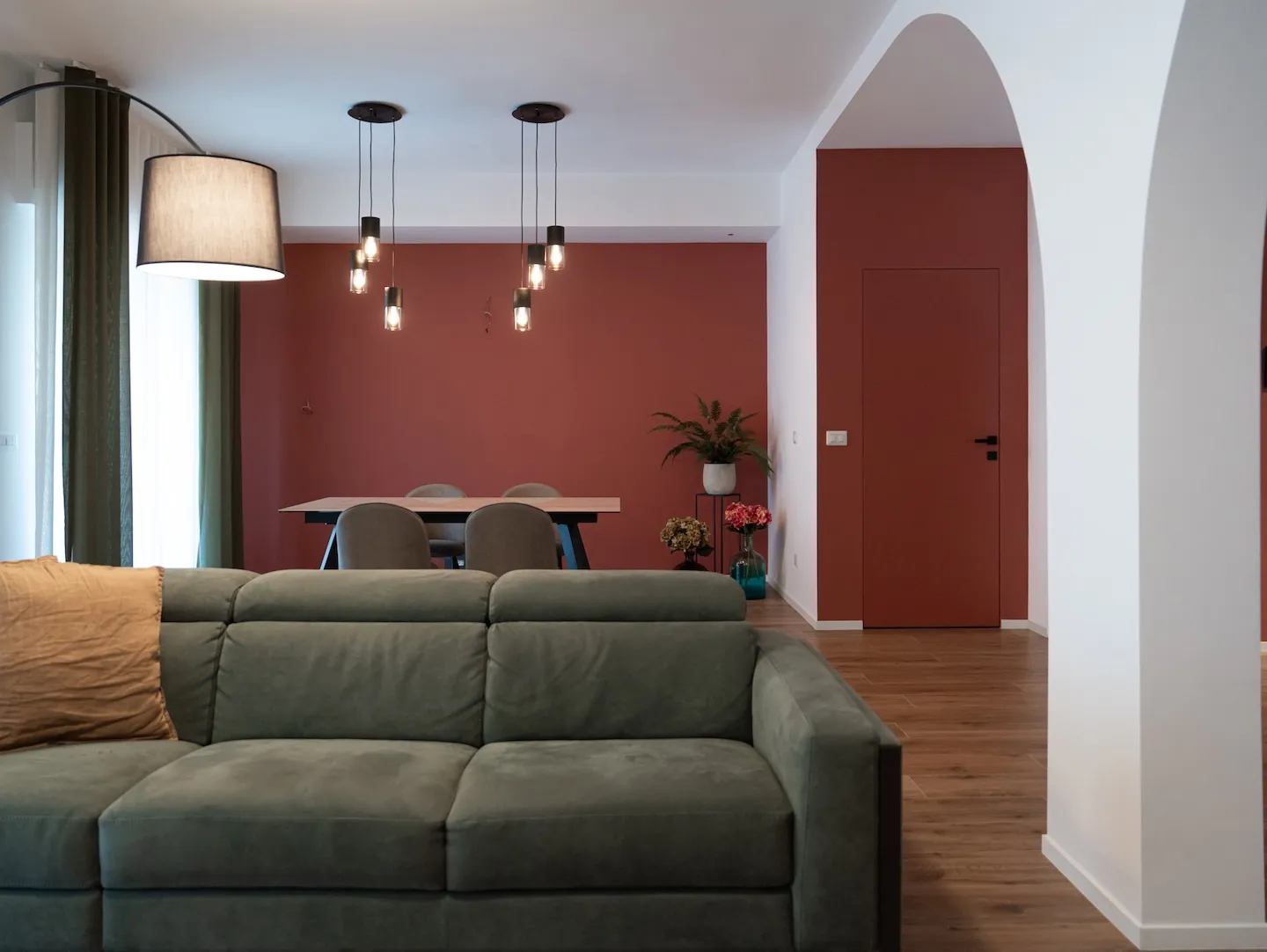
This comprehensive guide to types of interior doors is designed to help you discover the best materials, finishes and technical details that will make your home truly one-of-a-kind.
The aim is to transform a practical necessity into a conscious style choice, capable of enhancing your home’s design and blending perfectly with your personal vision of living.
In the following sections, we will explore: the most prestigious types of interior doors, the details to consider when choosing a colour and, finally, the best materials for creating the design of your dreams.
In interior design, every detail helps to define the atmosphere and character of a home. Here, then, is how to choose an interior door that will enhance your home with balance!
2 types of interior doors
When we think of the types of interior doors for the home, the image that often springs to mind is that of the traditional wooden door with exposed frames and architraves.
Although this option retains its charm, modern design has succeeded in transforming a simple element, such as a door, into a sophisticated architectural feature.
Below, we will examine two types of interior doors, namely:
- Hinged doors;
- Sliding doors.
For both, we will outline the features that distinguish one from the other, so as to provide you with all the information you need to make the best choice.
Hinged doors
The hinged door, particularly the flush-with-the-wall version, has in recent years become the most sought-after choice among homeowners seeking to give their property an interior design that creates a sense of spaciousness, stylistic continuity and refinement.
Among the features that distinguish this option are: a simple yet versatile design, ease of maintenance and, finally, the ability to customise the door to suit your own stylistic tastes.
The flush-fitting hinged door is designed, above all, to create an atmosphere that blends seamlessly with the surrounding environment. It can, in fact, be covered with wallpaper or painted to integrate perfectly with the wall’s finish. But that’s not all. This designer feature can be made a real focal point within your interior design scheme.
By playing with your choice of colours, you can create a harmonious contrast with the wall or the design elements that enhance the space around the door. For a comprehensive overview of the features of this type of door, it may be useful to explore the advantages and disadvantages of interior hinged doors and flush-mounted versus traditional hinged doors: differences and advice.
For specific guidance on how to match these options with different trends, see our in-depth guide on how to choose modern hinged doors according to your interior style.
Sliding door
A different solution, which allows you to interpret the space fluidly, eliminating visual interruptions and giving rooms a contemporary and refined feel, is undoubtedly the sliding door.
Unlike the first option, this is used when you want to create continuity between adjoining rooms without sacrificing the comfort and practicality of quickly creating privacy when needed.
Here too, our installation systems—quick and easy to fit—require minimal maintenance over time, ensuring a durable and long-lasting product.
The key word for this design choice is one: freedom. Thanks to the total absence of bulk—as the door disappears into the wall when open—you can make the most of your home’s spaces, furnishing adjacent areas with complete freedom.
Our sliding doors are available in several versions: flush-mounted and surface-mounted. The former is particularly suitable for furnishing a living area with a modern feel, featuring large, interconnected spaces. The latter can be used to separate a walk-in wardrobe from the room, installed outside a bathroom, or in the corridor dividing the sleeping area.
To find out about all the models and specific features of our sliding doors, we invite you to take a look at the section dedicated to sliding doors.
Types of interior doors: choosing a colour
As we have mentioned several times in the previous sections, the key to achieving a balanced and harmonious interior lies in the customisation of this element.
We often tend to view the door as a functional element that separates rooms. However, it should be considered an integral part of the interior design, an element that can completely transform the feel of a room.
This is precisely why it is important to choose the colour and finishes carefully. In the following sections, we will look at the advantages and disadvantages of matt and gloss doors and, finally, when it is best to choose one over the other.
Matt-coloured doors
Matt finishes have a surface that does not reflect light. They absorb light and create a soft, textured, very natural effect.
These types of interior doors are perfect if you want to create a very minimalist, industrial and modern interior style, using very soft, rich colours. Matt finishes are perfect for hiding imperfections and fingerprints.
However, if you have a property with limited space, choosing a matt colour for the walls and interior doors might not be the right choice. Matt finishes, in fact, tend to absorb light, reducing the visual sense of spaciousness and openness in a room.
Among the most popular colours, particularly in recent years, are: chalk white, dove grey, smoky grey, terracotta, all shades of beige, sage green, petrol blue and black.
Doors with glossy colours
Glossy finishes, on the other hand, are quite distinctive and have the exceptional ability to reflect light and create a sense of space. Conversely, they should be avoided in very airy rooms, as the effect would be too distracting and amplified.
Using a glossy colour in a small room helps to give the space a greater sense of airiness, space and visual openness. Glossy finishes also pair perfectly with vintage furnishings as well as classic contemporary styles.
Among the most popular glossy colours for interior doors are: glossy white, glossy black, lacquer red, midnight blue, petrol blue, mustard yellow and various shades of earthy browns.
Types of materials for interior doors
The material is the heart and soul of a door. It determines its strength, texture and, above all, its visual impact. Choosing the right material is the first step towards ensuring that your interior doors are not only pleasing to the eye, but also a joy to live with.
Among the most popular materials used in the construction of modern and innovative interior doors are undoubtedly: natural wood; lacquered wood; and glass. Below, we look at how each material meets different stylistic and practical needs.
Interior doors in natural wood
Wood remains the go-to choice for those seeking warmth and naturalness. Fine woods such as oak, walnut or ash, with their unique grain patterns, tell stories of authenticity.
A solid wood or veneered door adds value and substance to a room, blending beautifully into both classic settings and modern spaces where a textural contrast is sought.
A clear stylistic example is the industrial style, where wood pairs well with metal or concrete elements.
Lacquered wooden interior doors
This option is ideal if you prefer seamless surfaces and defined colours. Available in matt, gloss or satin finishes, lacquered doors allow for complete colour customisation.
Lacquered white, for example, is a classic that brings brightness and lightness, whilst bolder or darker shades can transform the door into a bold and sophisticated design feature.
Glass interior doors
Hinged doors with glass panels, or fully glazed doors, are perfect for those who wish to maximise light and create visual continuity between rooms. But that’s not all.
A glass door can be used to make a small room feel more spacious, avoiding the classic sense of claustrophobia one might experience in a cramped space.
Glass, processed using modern techniques that ensure safety, can be clear, frosted, tinted or decorated, offering endless possibilities for playing with light and shadow.
Making the right choice based on your personal style and current design trends isn’t always easy. That’s precisely why we’ve written a detailed guide to help you understand how to choose modern hinged doors to suit your interior style.
How to choose an interior door based on the type
Choosing the right types of interior doors to suit the style of your home is a genuine investment that enhances the quality of your property. It’s not just a simple purchase: it’s about finding the perfect balance between beauty that inspires and functionality that makes life easier.
We are confident that, after reading this guide, you will feel more confident and informed about the choice you need to make. However, we advise you not to stop there!
Follow your curiosity, step inside our website and discover interior door solutions that can be customised to suit your tastes. Remember, behind every door lies an infinitely beautiful world to experience and discover.