
Style & materials 04/12/2026
Types of Interior Plaster: 2026 Guide to Choosing the Right One
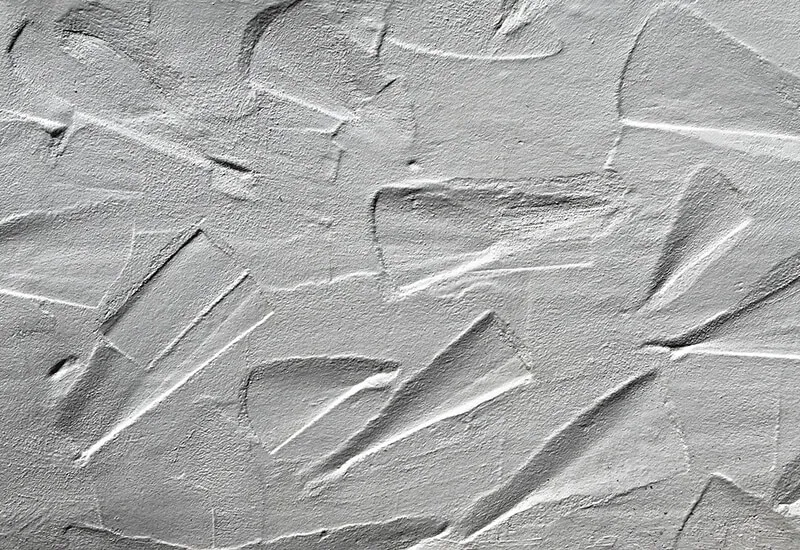
Plaster is a coating applied to wall surfaces to protect them and improve their appearance. But what types of interior plaster are available on the market, and which one should you choose based on your personal needs?
In this updated 2026 guide, we’ll look at the different types of interior plaster, which ones to choose depending on the room you want to renovate, and finally, how to select the ideal product based on the style of your project.

What is interior plaster?
Let’s start with the basics and briefly explain what interior plaster is. Plaster is a mixture made with water, available in different compositions and textures, used to coat the interior (or exterior) walls of your home.
It is essential not only for protecting masonry from weather and wear, but also for contributing to the thermal and acoustic insulation of rooms.
This versatile material can be enriched with additives for specific functions: plasticizers to improve workability, fibers to increase strength, and pigments to add color.
Types of interior plaster
Now that we’ve seen what plaster is and what it is made of, at a very basic level, let’s look at the different types of products available on the market and commonly used in most construction work.
More specifically, we will explore the following categories:
- Gypsum-based plaster
- Lime-based plaster
- Cement-lime plaster
- Thermal plaster
- Sound-absorbing plaster
- Waterproof plaster
Gypsum-based plaster
Gypsum-based plaster is obtained by combining two elements: water and gypsum. It is especially suitable for finishing the interior walls of buildings because, once dry, it creates a smooth and refined effect.
It is ideal for creating elegant surfaces, for example with glossy enamel paints, and it can easily be colored to suit any design idea. This product is often chosen to restore or decorate interiors of historical and artistic value.
Lime-based plaster
This type is used selectively in certain areas of the home and is made from a mixture of water and lime. By its nature, lime performs very well in humid spaces such as bathrooms and cellars.
It is an extremely breathable product and, in some cases, acts as a true humidity regulator, as well as an anti-mold barrier capable of preserving walls effectively.
Unlike gypsum, once dry, lime-based plaster has a rougher texture. It still provides a perfect base on which to apply whatever paint is preferred, adapting the color to the chosen interior design style.
Cement-lime plaster
Cement-lime plaster is a highly resistant and versatile product. It is made from a water-based mixture to which lime and cement are added, resulting in a plaster that is easy to apply and, above all, resistant to wear.
It is particularly used in all those interior and exterior environments exposed to weather conditions, direct sunlight, and wherever the wall is subject to impacts and stress.
Thermal plaster
Thermal plaster, increasingly popular in recent years, is ideal for renovating or building the interior or exterior walls of buildings where it is important to preserve the limited space available.
This product consists of a water base mixed with lime or cement. During preparation, thermal insulating components such as perlite, aerogel, or polystyrene are added.
It is applied like a standard plaster without the need for additional insulating panels. It is a highly innovative compound because it reduces heat loss and increases the energy efficiency of your property.
Sound-absorbing plaster
Interior sound-absorbing plaster is ideal for improving the acoustic insulation of rooms or homes located in specific contexts. It is used especially in conference rooms, recording studios, and buildings located in busy areas.
The special feature of this product is that it provides excellent soundproofing with only a few centimeters of thickness. This characteristic has made its use increasingly widespread, especially in urban construction.
Sound-absorbing plaster is made of materials specifically designed to “capture” sound waves and prevent their diffusion. It is applied like a standard water- and cement-based plaster and can be customized with the colored finish you like best.
Waterproof plaster
Waterproof plaster is a material designed to repel water and moisture from the wall and therefore preserve its properties. It is perfect for use in very humid environments, such as bathrooms, cellars, or even kitchens.
In prestigious properties, such as historic villas or luxury homes, it can also be used in rooms with an indoor swimming pool or an area dedicated to a solarium with a hot tub.
How to choose the best interior plaster
At this point in the article, you are probably wondering: given the wide range of interior plaster types available on the market, how do I choose the one that best suits my needs?
Choosing the right plaster is essential to ensure the building’s durability, energy efficiency, and appearance. Here are some key factors to consider:
- Type of building – for historical or prestigious buildings, gypsum- or lime-based plaster is often preferred because of its ability to respect and enhance the existing architecture
- Moisture-resistant plaster – useful in humid areas or places subject to frequent rain to prevent moisture-related damage
- Specific functionality – if the plaster must contribute to acoustic insulation, choose sound-absorbing plaster. To improve energy efficiency, choose thermal plaster, which helps keep indoor temperatures stable while reducing energy consumption
- Aesthetics – it is important to choose a finish that blends harmoniously with both the building style, the interior décor, and personal preferences
Types of interior plaster colors
The choice of plaster color is also a crucial aspect that can significantly influence the atmosphere and perception of living spaces. To make the choice that best matches your creative ideas, you should consider several aspects.
The brightness of the rooms, especially if your home has poorly lit spaces. In this case, it is preferable to opt for light colors that reflect light and make the space brighter.
Style is also an important factor in making the right choice. For modern and minimalist interiors, neutral and cool colors can be a winning choice. For warmer and more welcoming environments, richer shades such as terracotta or olive green may be considered.
Colors also influence our mood and perception. Blue and green are relaxing shades, ideal for bedrooms and bathrooms. Yellow and orange are energizing colors, perfect for kitchens or living areas.
Before deciding on the final finish, it is always useful to test small sections of the wall to see how the color looks in natural and artificial light and how well it matches the other elements of the décor.
Plaster for different style types
To make an accurate choice, after reviewing all types of interior plaster, you should also consider the style you want to give each room in your home.
If you want to give it an industrial feel, the plaster should have a rough finish and not be too smooth, with neutral colors such as gray, off-white, or light brown. In this case, the perfect product is cement-lime plaster.
The situation changes if, instead, you want to opt for a minimalist or, on the contrary, rustic interior style. In the first case, minimalism requires smooth plaster and light colors such as white or light gray. The simplicity of the plaster should stand out without excess, creating airy and bright spaces.
In rustic style, on the other hand, the plaster can have a more pronounced and irregular texture, recalling the walls of country houses. Warm, natural colors such as beige, terracotta, or sage green help create a cozy and traditional atmosphere.
A home with a modern character calls for a very uniform plaster choice. The combination of smooth surfaces and contemporary furnishings creates a sophisticated and cutting-edge environment. In this case, the colors typically used are black, navy blue, or dark gray.
Read these articles too
Read these articles too