Technical insights 09/30/2026
Door frames, architraves and mouldings: a guide to choosing and coordinating them in 2026
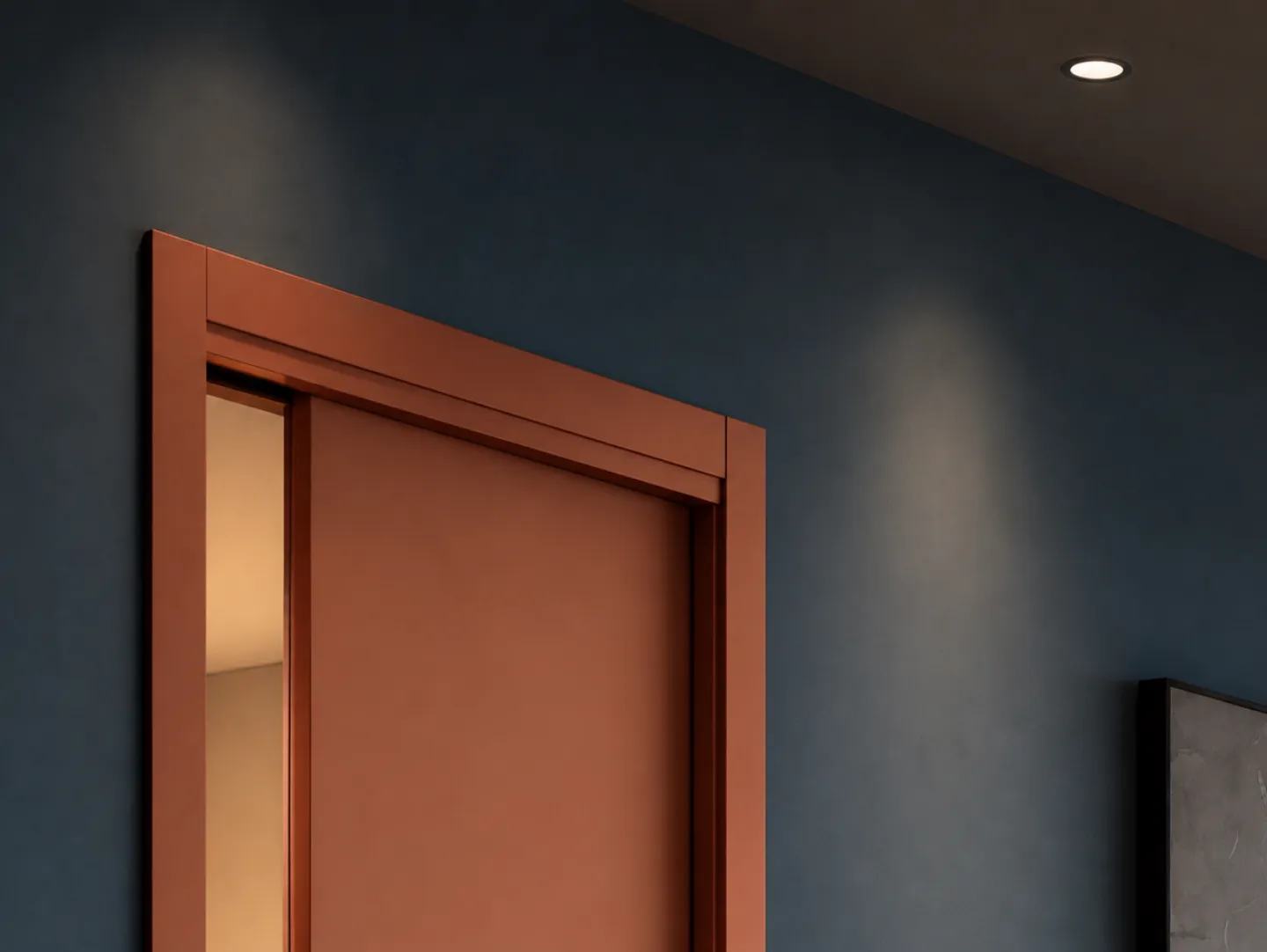
Door frames and architraves are not a minor detail. They define the perimeter of the door and directly influence the perception of order and quality in a room. You only need to look at two identical doors – one carefully framed and the other roughly finished – to realise just how much these elements affect the overall harmony of a space.
In this guide, we’ll take you through the process of choosing and coordinating door frames, architraves and door mouldings, following the latest trends and criteria for 2026. You’ll discover the purpose of each element, how to determine the correct dimensions, which materials to prioritise and how to create elegant combinations between the door and the wall.
What you’ll find in this guide:
In this guide, we’ll take you through the process of choosing and coordinating door frames, architraves and door mouldings, following the latest trends and criteria for 2026. You’ll discover the purpose of each element, how to determine the correct dimensions, which materials to prioritise and how to create elegant combinations between the door and the wall.
What you’ll find in this guide:
- The functions of door jambs, architraves and door trims
- Criteria for choosing the correct size
- The latest materials and finishes
- The most refined colour combinations between doors and walls
What are door frames, architraves and mouldings used for?
Before making a choice, it is useful to understand the role of each component. Although they work together to frame the door opening, each element fulfils a specific and irreplaceable function.
- The door frame encloses the wall opening and provides the rebate for the door leaf. It is the vertical and horizontal element that lines the inner perimeter of the opening, ensuring strength and definition. A well-proportioned door jamb gives the opening a neat and polished appearance;
- The door architrave covers the joint between the frame and the wall, elegantly concealing any imperfections in the fitting. Door architraves give the opening a clean, seamless finish, disguising the most delicate part of the installation;
- Door mouldings, also known as frames, add a decorative touch typical of the classical style. A skilfully crafted door frame enriches the doorway with character, transforming it into a true piece of interior décor.
Together, these three elements define the personality of the doorway. Choosing them therefore deserves the same attention as is given to the door leaf itself.
How to choose the correct size of door frame
Accurate measurement is the key to a flawless result. Precise sizing ensures perfect coverage and a flawless finish.
The length depends on the wall
The length of the door jamb and architrave is determined by the thickness of the wall and whether it is plastered or lined with plasterboard. Before making any decisions, measure the total thickness at several points, including every finishing layer. Walls are rarely perfectly uniform, and taking the greatest measurement recorded will help you avoid insufficient coverage.
Standard or bespoke walls
For walls of standard thickness, standard components offer efficiency and speed. However, when the wall is thicker than usual or has irregularities, adjustable or bespoke door frames come into play, as they can adapt precisely to any configuration. If you’d like to find out more about this, we recommend reading our dedicated article Custom-made or standard door frames: a guide to choosing the right ones, where we analyse in detail when one solution is preferable to the other.
The mistake to avoid
A measurement error is the most common cause of gaps and visible joints over time. An internal door architrave that is too narrow leaves unsightly gaps, whilst an incorrectly sized door frame compromises the stability of the whole structure. Precision at this stage is the best guarantee of durability and beauty. To help you choose the right finishing profiles with confidence, the guide Door frames: how to choose the right size and finish offers valuable guidance on widths and proportions.
Available materials and finishes
The finish is the aesthetic heart of the whole. It is the detail that catches the eye and defines the character of the room. In 2026, the choice of materials prioritises authenticity, durability and understated elegance.
- Lacquered or varnished wood: the most versatile and elegant solution. Available in a wide range of colours, it allows for colour-coordinated or contrasting combinations with the door, creating a refined and timeless effect;
- Metal: perfect for glass doors or for designs with a more industrial feel. Metallic finishes add a contemporary touch, playing with reflections and a sense of lightness to create spaces with a bold character;
- Wood-effect finishes: these replicate the warm beauty of natural woods with an authentic look and at a lower cost. A smart choice for those who want the charm of wood combined with practicality and durability.
Every material conveys a different style. Imagine how light and surfaces will interact, and let yourself be guided by the atmosphere you wish to create.
Coordinating the door and wall
Here, technique meets taste. The colour coordination between the door frame, architrave, door and wall defines the final effect and the character of the room. Here are the three most elegant approaches to take.
- Door frame in the same colour as the door: this creates a seamless, minimalist effect, where the doorway blends into a harmonious and discreet whole. Ideal for contemporary spaces, where understated elegance takes centre stage;
- Door frame in a contrasting colour to the wall: this highlights the doorway as an architectural feature, transforming the opening into a decorative detail with a strong personality. A bold and striking choice, perfect for those who love spaces with a strong character;
- Flush doors: in concealed solutions, door frames and architraves can be completely eliminated to create a seamless transition between the door and the wall. This is the most refined expression of contemporary design, where the door leaf blends into the wall surface as a single element.
Whichever direction you choose, the quality of the installation remains crucial. Even the most sophisticated combination loses its impact if the installation is not flawless: for this reason, we invite you to consult the guide How to install door frames and architraves: a practical installation guide, a useful reference for understanding every stage of the installation and achieving a professional finish.
Elegance lies in the details
Choosing door frames, architraves and mouldings means paying close attention to dimensions, materials and colour coordination, enhancing every doorway with precision and elegance. It is these details – often unobtrusive – that reveal the quality of a room and define its character.
The advice is simple: measure your wall carefully, visualise the atmosphere you wish to create, and let each element harmonise with the others. Be inspired by Ermetika’s solutions and discover how a door jamb, architrave or moulding, chosen with taste, can complete your spaces with refinement and impeccable harmony.